Free live webinar · Thursday, August 27 · 6:00 PM ET · 45 minutes
Your best people are retiring with the company's brain. Three of them hold most of what the shop knows. When they leave, it walks out with them.
Thursday I'll show manufacturers how to turn that knowledge into AI the company owns. One workflow. No new ERP. No AI team. Nothing touches the floor.
OP 10The stills


You already insure the machines. You insure the building. Nobody writes a policy on the knowledge.
Dave isn't a real person. But you already know your Dave. You thought of a name before you finished this line.
Clock one
Retirement
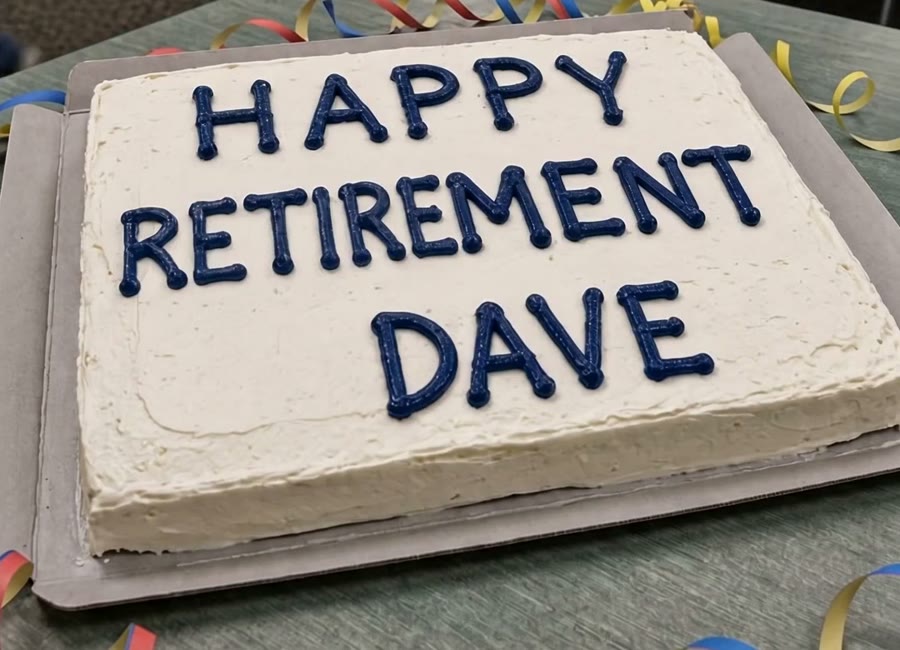
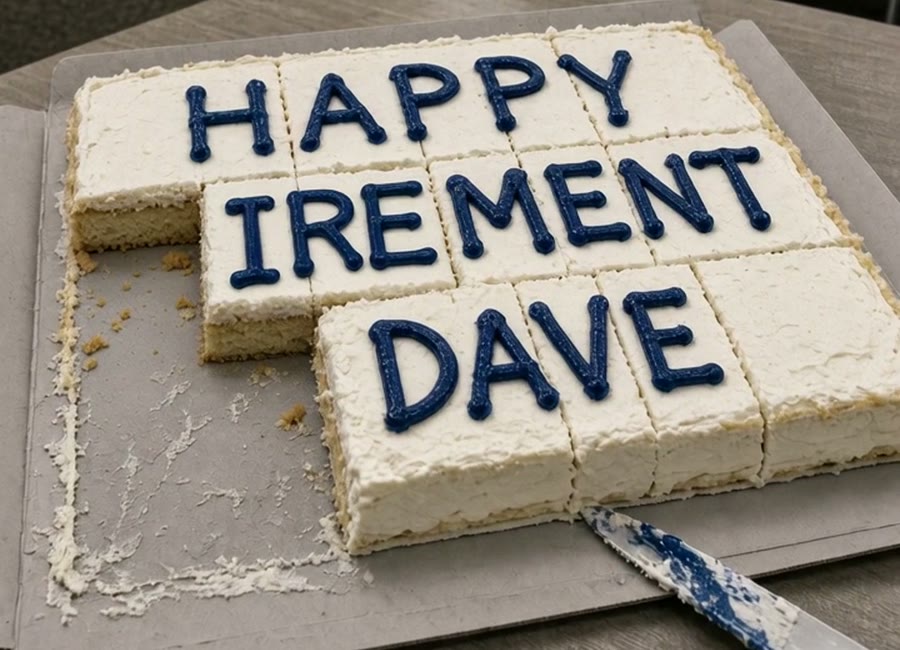
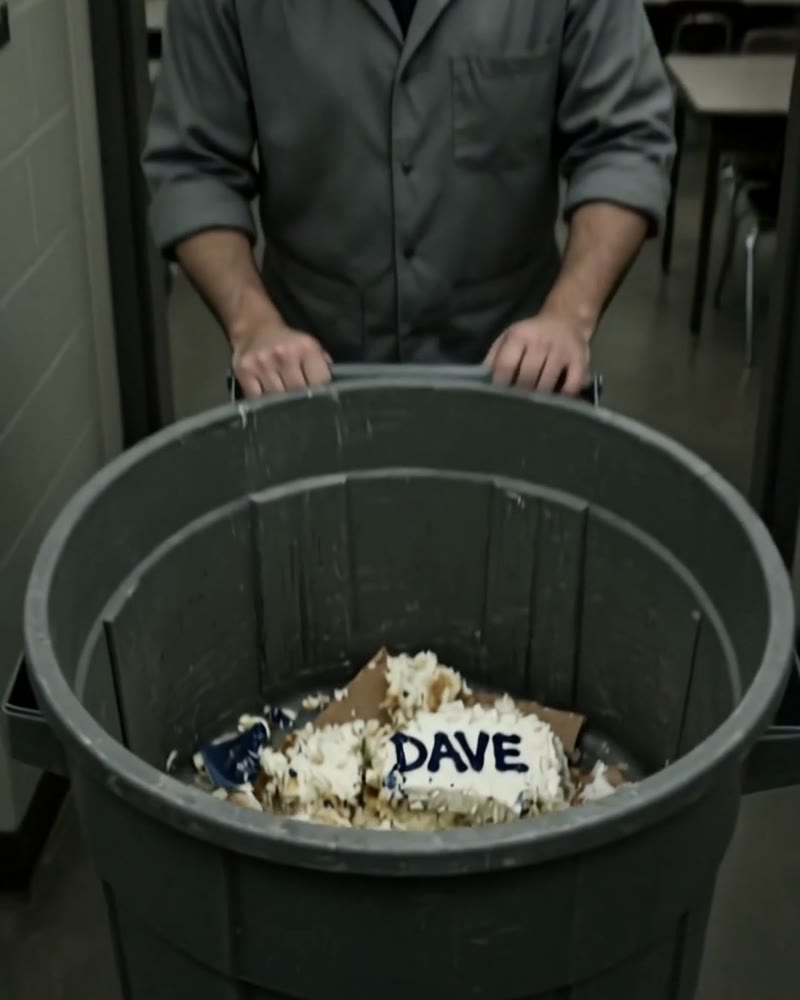
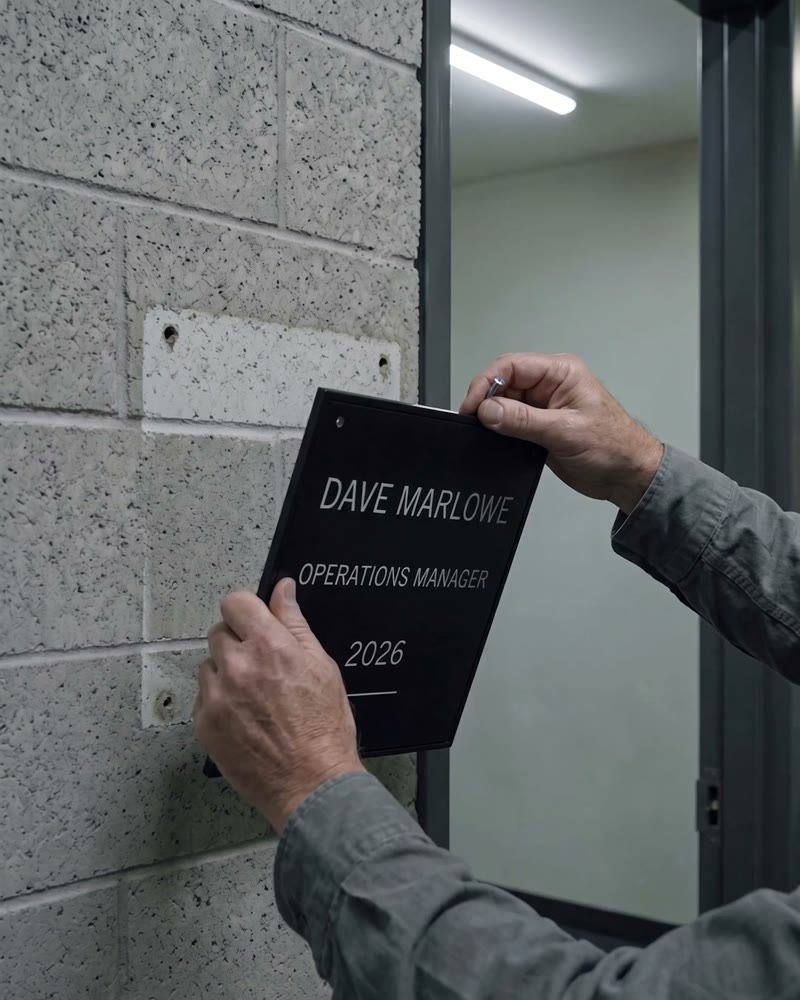
The cake. The nameplate. The interview you never ran. One Friday the company's memory drives home for the last time.
Clock two
The leak
Every week more of it gets pasted into a rented tool on a phone you'll never see. It doesn't come back.
Clock three
Habit
Your people are forming AI habits right now — with whatever was easiest to open. Cheap to set. Brutal to reset.
OP 20Here's the part that stings
Someone in your building pasted a customer email into a free chatbot last week. Someone asked one to read a spec. Someone is writing a quote with one right now — on their own phone, on an account you will never see.
So the question is already being answered. This week. In your building. By whoever had a browser tab open.
Every answer so far has been someone else's.
That condition has a name: Scattered Intelligence. The company has the knowledge. It has no home. Feeding thirty years of judgment into a rented seat — then paying monthly to reach it again — is not adopting AI. That's renting your own brain back.
That's why doing nothing is not neutral. Doing nothing is an answer too. It's just the losing one — and it gets sent in your name, without your signature.
Your knowledge ends up in an AI either way. That part is settled. The only thing still up to you is whose.
OP 30What you'll walk away with
One
What it really means for a shop to own its AI.
In plain shop words. Not vendor words. You'll be able to explain it to your board in one sentence.
Two
How to pick the one job worth proving first.
There's a simple test. Most shops pick wrong and start with “AI across the company.” That's not a first project. It's a first mistake.
Three
The standard an AI must pass before it touches real work.
The same way you qualify a machine before it runs a part. You already know how to do this. Nobody told you it applied here.
OP 40Who should be in the room
When a quote misses something. When a promise gets buried in an inbox. When a document is out of date. When nobody can explain why a call got made.
If that lands on your desk — owner, president, COO, quality lead — you're in the right room.
It is not a class for people who collect AI tools. There's no code. Nothing gets installed. You don't need an AI team.


OP 50Who built this
We don't rent you someone else's.
Satori Defense helps companies own what they know. Not rented seats. The layer underneath — built from your knowledge, run by your rules.
We are full system architects. We design and build the whole thing — the sources, the permissions, the rules, the tests — not one tool bolted onto a problem.
We've built systems for research. We built the government and defense business at WHOOP. Then we left and started Satori Defense to do this work.
All of it in places where a wrong answer costs something real.
Your host is Robert Moeller, co-founder of Satori Defense.
OP 60Before you ask
There's an offer at the end. I'll be straight about what it is, and you can ignore it. The forty-five minutes stand on their own.
No. Your ERP stays in charge. Nothing here replaces it, and anyone who tells you AI means a new ERP is selling you something.
Almost nobody who does this well has one. You need someone who owns the process and knows the shop. That's it.
Then you're normal. That's the reason to start with a map instead of a tool. You don't need clean data everywhere. You need a clear path for one job.
Come live. The best part is the questions, and I can only answer yours if you're in the room.
Forty-five minutes, then questions until they run out. Starts at 6:00 PM ET sharp.
OP 70Sign off
Thursday, August 27 · 6:00 PM ET · Free · Live, not a recording
Bring three names, one handoff that keeps failing, and a rough count of how many people it takes to answer one RFQ. We'll use them live.